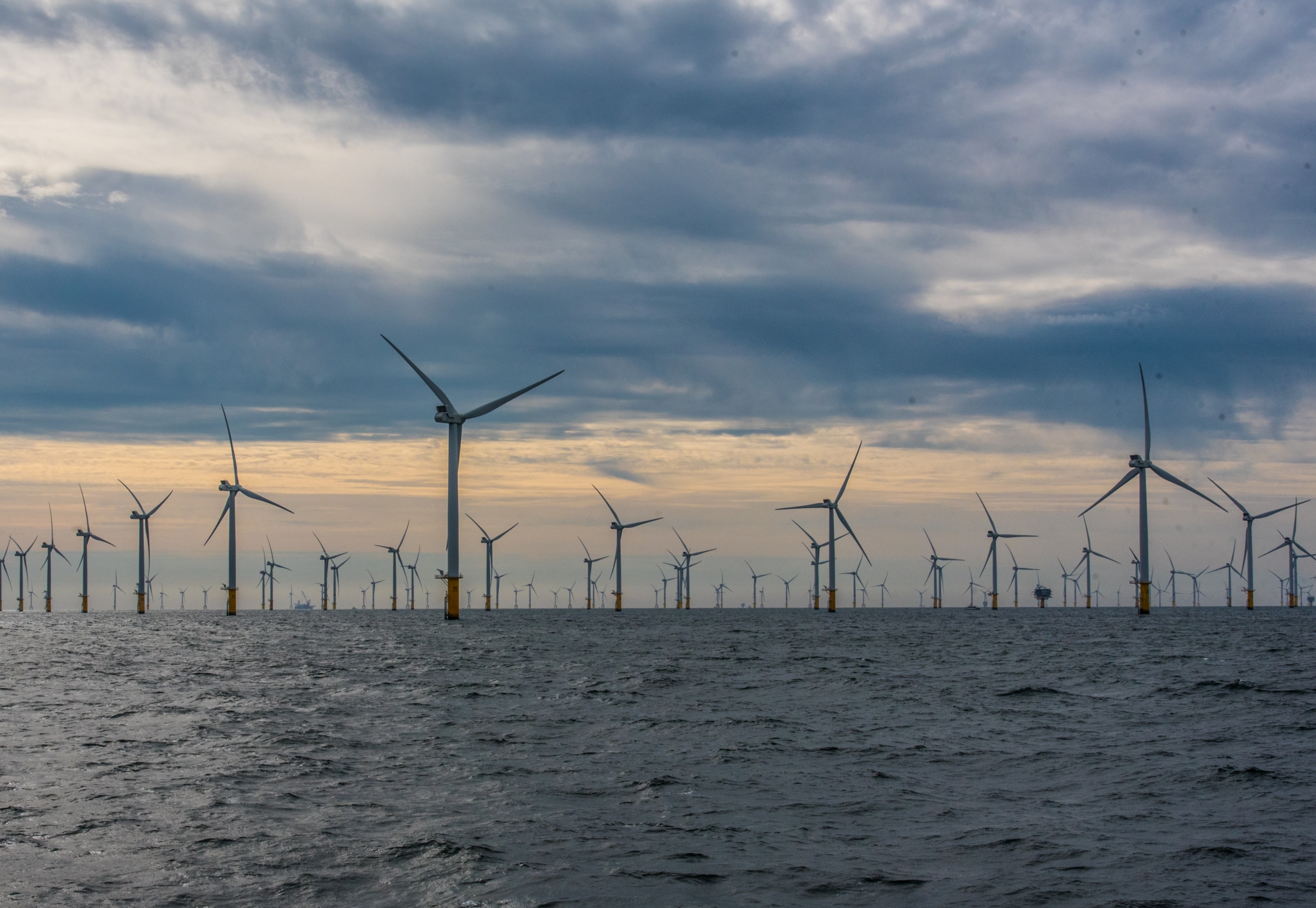
Are wind turbines sustainable? The climate impact of Belgian offshore wind power explained
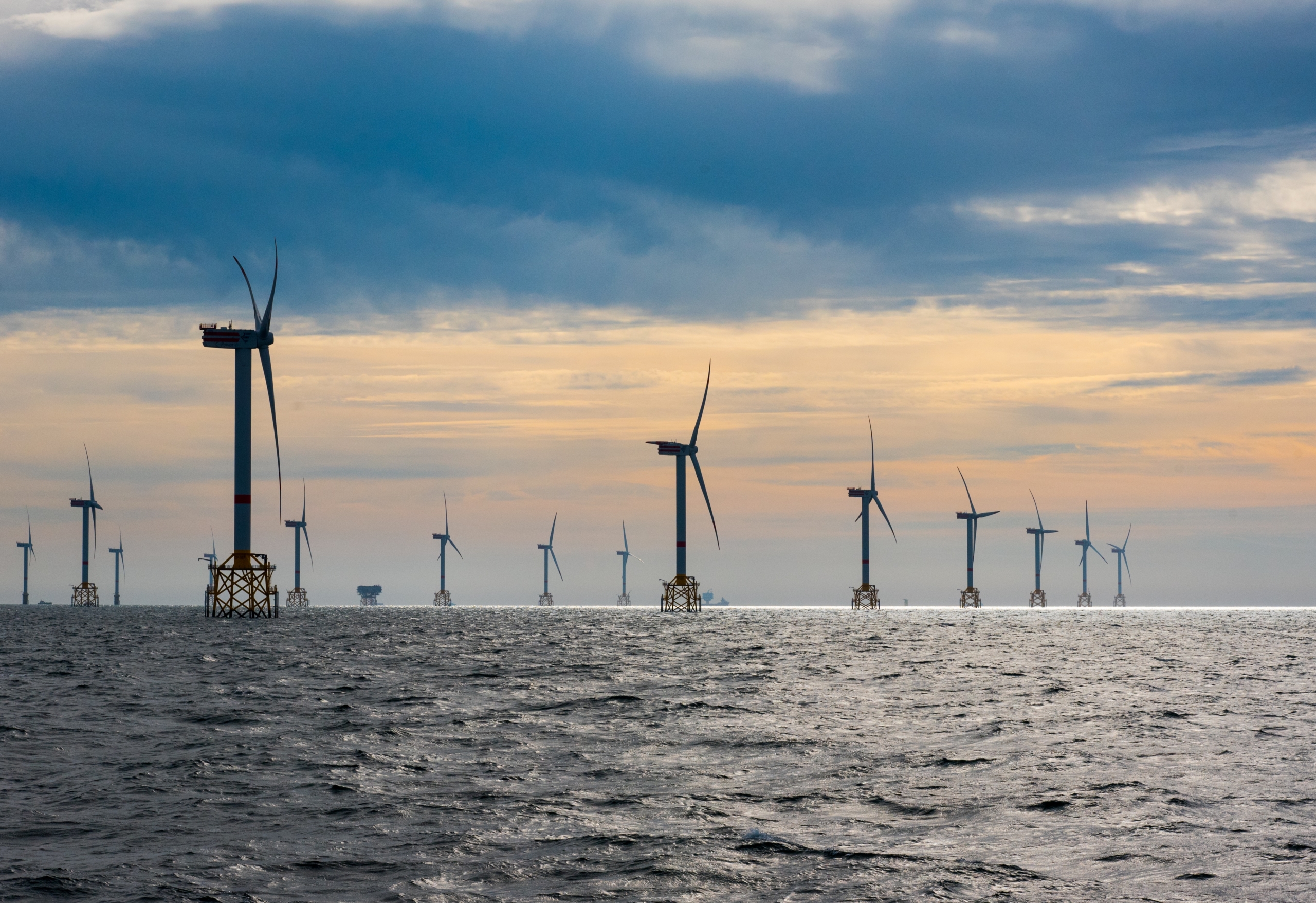
In Belgium and Europe alike, offshore wind power plays a key role in making our electricity supply more sustainable. Our wind farms deliver huge amounts of renewable energy and help us to drastically reduce our dependence on fossil fuels. But exactly how sustainable are wind turbines at sea? How much carbon do they emit? Are wind turbines good for the environment? And what happens when a wind turbine reaches the end of its lifespan? Read on to find out more about the impact our Belgian offshore wind farmshave on climate change.
Are wind turbines environmentally friendly?
Yes. Offshore wind power is one of the most sustainable ways to generate electricity. Unlike with fossil fuels such as coal, oil and gas, generating electricity using wind involves no combustion at all. For that reason, no carbon, fine particulate matter or other harmful substances are released while offshore wind turbines are operational.
Of course, the materials needed to build an offshore wind farm do need to be manufactured, transported and installed. Even so, that limited environmental impact is offset in no time at all by the huge volume of clean electricity that the wind turbines generate for decades after. In other words, there's no doubt at all that wind turbines are good for the environment!
How much carbon does a wind turbine emit?
Offshore wind turbines produce very little carbon. While they are operational, the direct carbon emissions of wind turbinesare close to zero. The main emissions come about during:
- the production of steel, copper and composite materials
- the transport of the various components
- the construction and installation of the wind turbine at sea
- the dismantling of the turbine at the end of its lifespan
Despite these emissions, the overall impact on the climate remains exceptionally low. An offshore wind farm emits 50 times less CO2 per kWh than a modern gas-fired power station. What's more, offshore wind turbines offset the emissions released during their production, transport and installation within the first year. As a result, a wind farm generates nothing but climate-friendly energy across the rest of its lifespan.
Keen to find out exactly how much electricity our wind farms are currently generating?
Offshore wind versus fossil fuels
Offshore wind farmsgenerate significantly less CO2 than modern gas-fired power stations:
- The direct carbon emissions of an operational offshore wind farm are 150 times lower than those of a modern gas-fired power station.
- Even when the entire lifespan of wind turbines is factored into the equation, including the production of materials, its construction, maintenance and dismantling, an offshore wind farm still emits 50 times less CO2 per kWh than a modern gas-fired power station.
As a result, offshore wind is one of the most effective technologies we have if we want to significantly reduce the emissions generated by our electricity sector.
Offshore wind power versus solar power
Both wind power and solar power are essential technologies in the energy transition. Solar panels mainly generate power during the day and in spring and summer. Offshore wind turbines, on the other hand, benefit from strong and relatively constant winds at sea, especially during the winter months.
To put it briefly, offshore wind power and solar power are not competitors; instead, they are complementary technologies that offer a more stable energy system when combined.
Does offshore wind have a positive impact on the climate?
Yes. Offshore wind not only contributes to a reliable supply of energy, it also helps us structurally reduce the climate impact of our electricity sector over the long term.
The impact of climate change is becoming ever clearer to see: longer periods of drought, heatwaves, flooding and loss of biodiversity. For that reason, the European Commission has set ambitious climate and energy objectives:
- Net emissions of greenhouse gases must be reduced by at least 55% (compared with 1990 levels) by 2030.
- By 2050, Europe must be fully climate neutral. As a first step toward that target, 42.5% of our energy mix needs to consist of renewable energy by 2030.
In both European and Belgian climate planning, offshore wind power is indispensable. Without our Belgian offshore wind farms, we would be unable to generate enough green energy to phase out fossil fuels, which would make it impossible to reach these targets.
How long does a wind turbine at sea last?
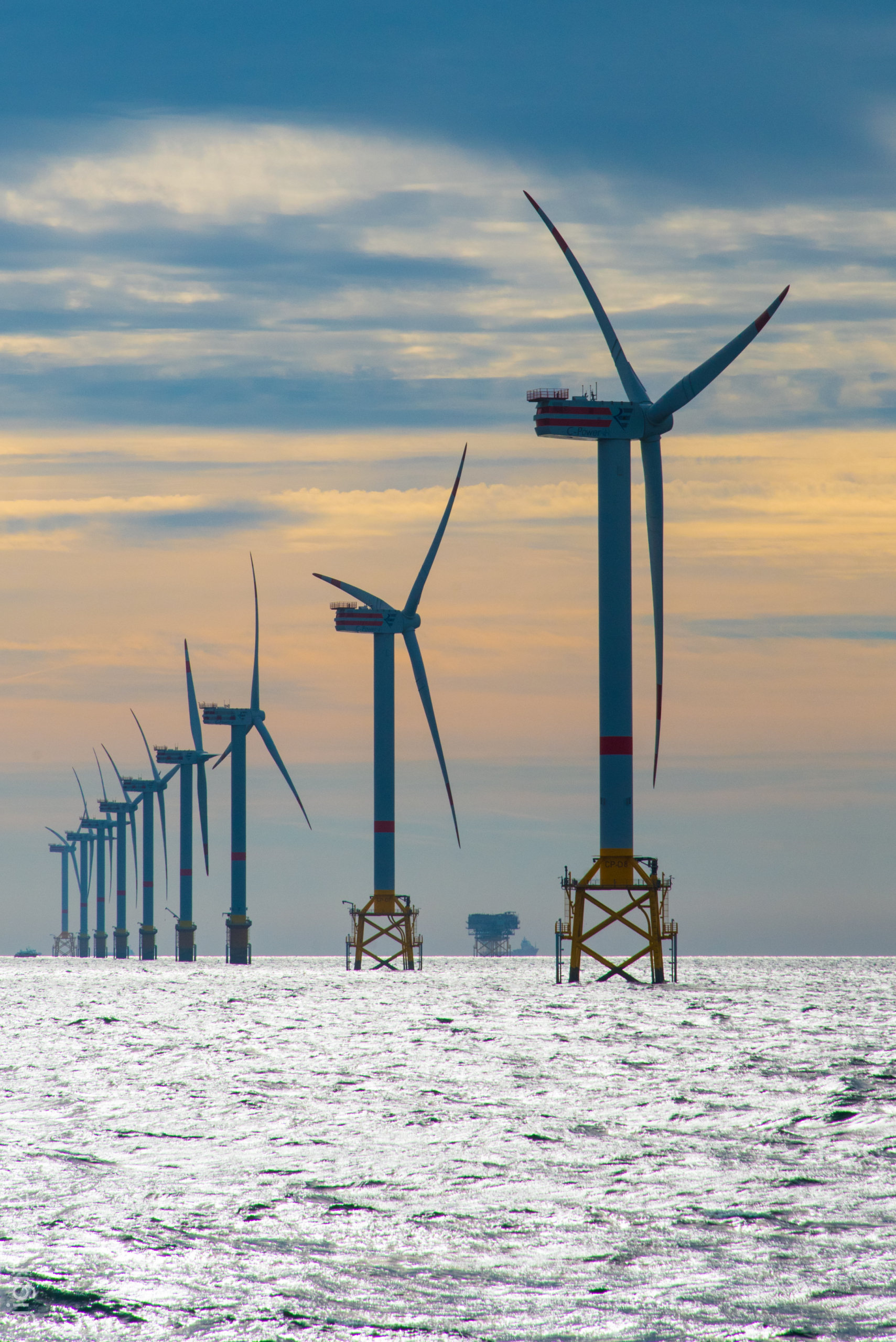
As things stand, the expected lifespan of a modern offshore wind turbine and its foundations is 20 to 30 years. Many installations remain operational for even longer, owing to regular maintenance and technological improvements. Across its entire life cycle, a wind turbine at sea generates huge quantities of renewable electricity, delivering a significant contribution to our Belgian energy supply along the way.
What happens when an offshore wind farm reaches the end of its lifespan?
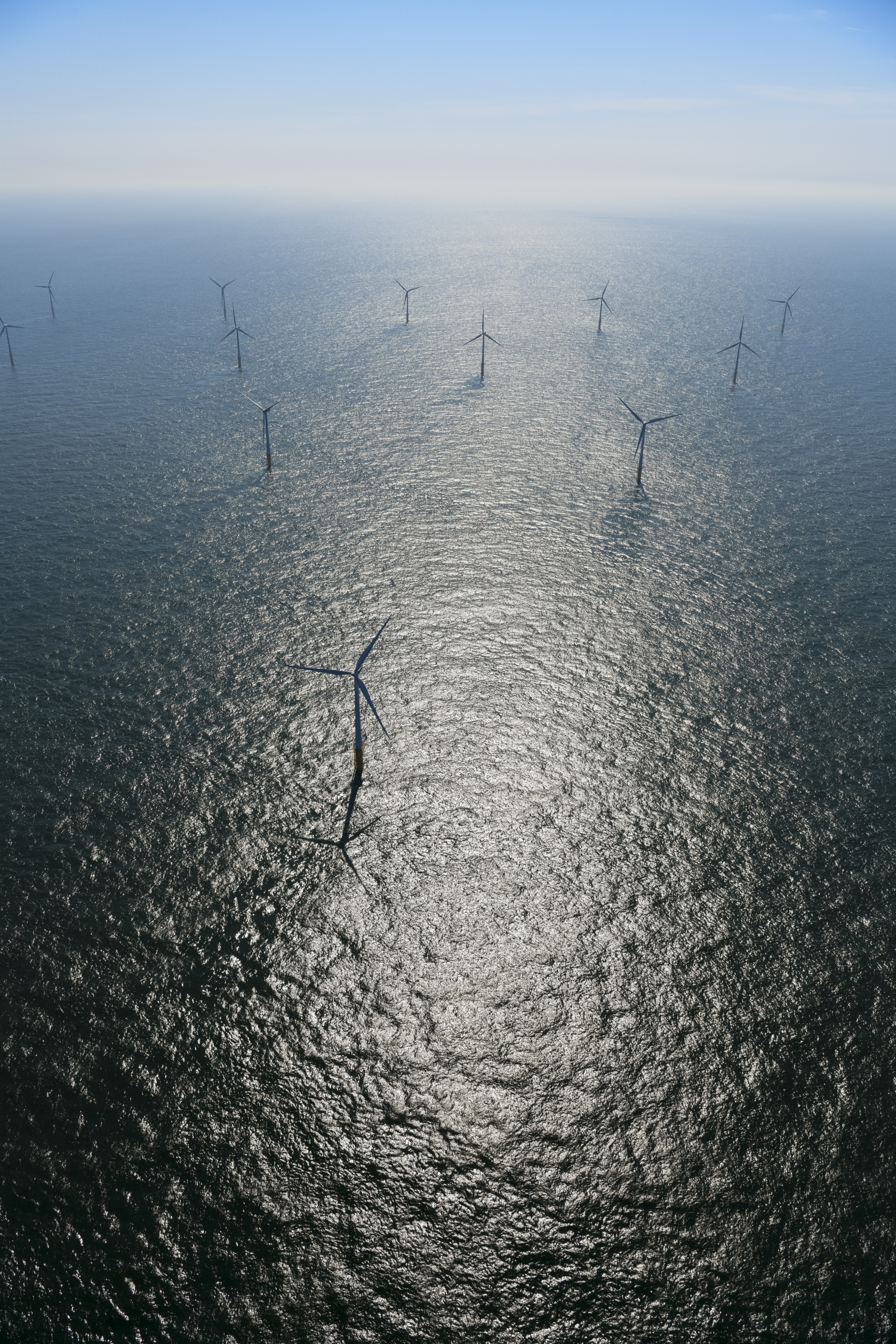
When an offshore wind farm reaches the end of its lifespan, a careful decommissioning process follows. This consists of the following steps:
- The farm is disconnected from the power grid and the turbines are brought to a halt.
- Next, the wind turbines are fully disassembled in various stages.
- The foundation and cabling are also fully or largely removed.
- The dismantled components are recycled and reused as best as possible.
During the decommissioning procedure for an offshore wind farm, strict environmental regulations apply to minimise the impact on the marine ecosystem.
Can we recycle offshore wind turbines?
Yes. The ability to recycle wind turbines is taking on ever more importance as the sector expands. These days, most parts in offshore wind turbines can be recycled or reused:
- Almost all steel and copper elements find alternative uses in new applications.
- Electrical components are processed in specialist recycling flows.
- The foundations built for wind turbines at sea are removed and reused.
Thanks to this structural recycling of wind turbines, the lion's share of materials re-enter the circular economy.
What happens to the blades when a wind turbine is recycled?
When recycling a wind turbine, the rotor blades are a major focal point. Traditionally, they consist of strong composite materials that are more difficult to recycle than steel or copper. For that reason exactly, the sector is investing heavily in innovative ways to repurpose wind turbine blades for recycling.
Ever since 1 January 2026, decommissioned wind turbine blades from the European wind power sector can no longer be sent to landfill. Instead, the sector is fully committed to repurposing, high-quality recycling and new applications for composite materials. As a result, offshore wind farms are evolving ever further toward a fully circular model. (WindEurope)
Are offshore wind turbines harmful to biodiversity at sea?
No. Offshore wind farms mainly have a positive impact on the marine environment. Even though the construction of wind farms can cause temporary disturbance, long-running monitoring programmes demonstrate that many species of fish return soon after. What's more, thanks to innovative protection measures, any harm caused during construction remains limited.
What impact does an offshore wind farm have on the marine environment?
Offshore wind turbine farms are not harmful to the marine ecosystem. On the contrary: academic research shows that aside from their benefits for the climate, wind farms often have a positive effect on underwater life. Our wind farms at sea provide:
- shelter for a range of fish species
- new habitats for marine fauna and flora
- greater biodiversity in the North Sea
It should come as no surprise then that unusual visitors are often spotted in our Belgian offshore wind farms: from inquisitive seals to sperm whales quietly passing through, and even a small-spotted catshark. The ultimate proof that sustainable energy and marine life can exist in perfect harmony.
Did you know that the foundations of offshore wind turbines can serve as artificial reefs? Mussels have no trouble settling on the foundations, and they also offer extra shelter for fish. Talk about a major boost for local biodiversity! What's more, a monitoring programme helps us keep our finger on the pulse in the Belgian North Sea. (Memoirs on the Marine Environment, 2019, Chapter 5, section 4.3)
How are marine mammals protected during the construction of offshore wind farms?
Installing new wind farms is often a major operation. The sizeable foundation piles that support the wind turbines — also known as monopiles — need to be driven into the seabed, for example. This can cause underwater noises and vibrations that may disturb marine mammals and other underwater species.
To reduce the impact on marine life, developers are increasingly turning to innovative technologies, such as bubble curtains. These curtains of air act as a natural sound barrier surrounding the construction site and muffle the sound waves released during the installation of the foundation. The result is less stress, disorientation and hearing damage for marine animals. The PULSE system or air cushion is another sound-damping method that serves the same purpose.
Owing to innovations of this kind, offshore wind power can be developed in increasingly more nature-friendly ways.
Conclusion: are wind turbines sustainable?
Yes. Offshore wind is a sustainable investment in the future. Offshore wind turbines supply huge volumes of clean power and are among the technologies with the lowest carbon emissions across their entire life cycle, especially when compared with fossil fuels.
The limited CO2 emissions during the production of a wind turbine, its transport and installation are instantly offset by several decades of clean energy production. And that means wind turbines are not only good for the environment, but a powerful tool in the fight against climate change too.
On top of that, the wind sector never loses sight of marine biodiversity. Owing to constant investment in wind turbine recycling, including recycling of the blades on wind turbines, comprehensive nature monitoring and innovative protection technologies such as bubble curtains and the PULSE system, offshore wind power is actually becoming even more sustainable year after year.
As such, offshore wind not only offers Belgium a source of green energy, it also provides the foundation for a climate-neutral, competitive and sustainable future. All in all, offshore wind is a powerful driver in our energy transition toward a climate-neutral Europe by 2050!
Got any questions or want work with BOP?